
blog – artiClES
In this section you will find our articles, case studies, book reviews and toolboxes.
Agility in the Nutshell III – Agile Mindset
In the first two articles of the series "Agility in the Nutshell", I presented Agile values and principles. This article is about an Agile mindset. By mindset, we mean ways of thinking, attitudes and approaches to problems. Agile mindset means changing the classical...

The prevention paradox – communicating corporate decisions correctly
The term "prevention paradox" was described in the early 1980s by the British epidemiologist Geoffrey Rose using coronary heart disease as an example, explains public health expert Martin Sprenger. It poses a fundamental dilemma for population - and risk group -...

Agility in the Nutshell – agile principles
In my first article of the Agility in the Nutshell series, we dealt with agile values. This time I will write about agile principles. The agile manifesto contains 12 principles according to which agile software development should be done. Our highest priority is to...
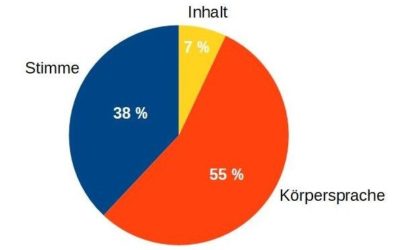
Communication in difficult times
"Speak nicely!", the ironic Austrian request to refrain from using vulgar or derogatory language, takes on a whole new meaning in these times. Today, for the first time on television, I saw and heard a correspondent formulating her contribution wearing a mask: perfect...

Conduct employee appraisals – leading by goals
Peter F. Drucker first published the management approach "Leading by objectives" in the 1950s and developed it further during the 1960s and 1970s. Until today, this approach remains the predominant method of how managers and employees interact in many companies. If...
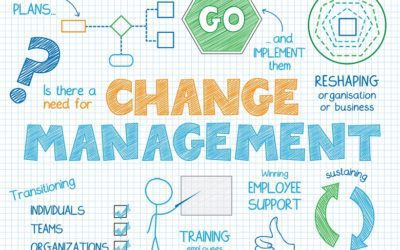
Change Management: The top 3 mistakes during the change process in companies
Increasingly frequent and rapid changes in companies mean that many employees and managers question the meaning and benefits of change and do not accept it. If a company wants to remain successful in the long term, it must succeed in bringing all those involved on...
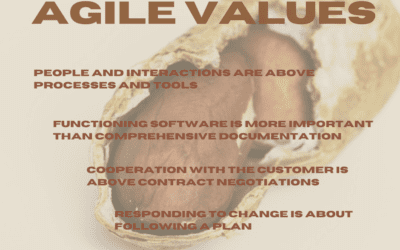
Agility in the Nutshell – Agile Values
More and more hierarchically structured organisations are discovering the topic of agility, mostly due to IT projects that are handled "differently" than classic "waterfall projects". The people who carry out these projects are usually viewed critically by the rest of...
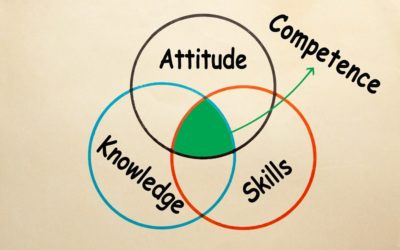
Competence development with KODE®
We use the KODE® competence atlas from Erpenbek and Heyse for competence diagnosis. KODE® is divided into four main competencies: Personal competenceActivity and action competenceSocial communicative competenceTechnical and methodological competence Each of these...
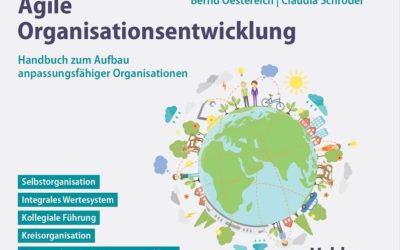
Book Review: Agile Organisation Development
The book "Agile Organisational Development: Manual for building adaptable organisations" by Bernd Oestereich and Claudia Schröder is aimed at people who want to try out collegial self-organised leadership and agile organisational development in practice. It considers...

Case-Study Complex cooperation
Cooperation becomes particularly challenging when people involved pursuing different goals. One area in which precisely this happens time and again in companies is the interface between sales and (project) implementation. I have often observed here that in...

Hot fall – working shifts and working in dislocated teams in COVID 19 times
Marshall Rosenberg already described in his well-known book Non-violent Communication that people are social beings who are oriented towards togetherness. This would suggest that cooperation is relatively simple because we can do that from our biological structure....
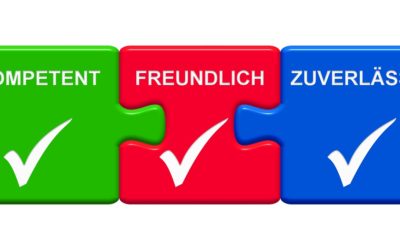
Competent employees – who wants-likes-needs?
Who doesn't want them? Employees whose skills make them ideally suited for a position on the one hand and who are flexible to learn new things. Are competence-based recruiting activities reserved for large companies and corporations that have the appropriate HR...
Recent Comments